Have varicose veins? Try sleeping more

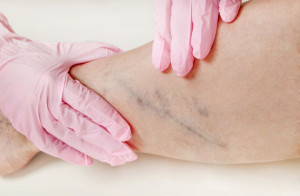
Varicose veins on the womans legs close upIt’s a bit alarming the first time you discover varicose veins on your body. You might be drying off from a dip in the pool or just putting on shorts for the first time of the summer. In both cases, what you can be frightening at first. While most cases of varicose veins are simple cosmetic issues, it’s always a good idea to talk to your doctor about anything you’re concerned about.

One way to reduce the risk of developing varicose veins is actually a simple one, and it’s probably something you’re already doing, but just not enough. Sleep deprivation has been linked to a wide variety of medical issues, including vascular-related health concerns. You can change your sleeping habits and lower your risk for early onset of varicose veins. Take a look at these tips for ensuring a good night’s sleep.

  1. Stick to a regular schedule. Routine is so important, and you can use those routines to reset your biorhythms. Instead of thinking in terms of a workweek/weekend schedule, envision your sleep time as a consistent routine. Schedule your bedtime around the same time every day. Changing your sleep schedule confuses your body clock, which may result in sleepless nights.
  2. Cool your bedroom. You sleep best when the room temperature is on the low side, and an ideal range is around 68°F. If you’re prone to overheating while in bed, or suffer from hormone-induced hot flashes, opt for lighter bedding.
  3. Electronic devices can disrupt sleep. Your body’s internal clock is very sensitive to lighting levels, and these can affect your circadian rhythms. That’s why it’s important to turn off all electronics at least an hour before bed, as gazing at those brightly lit screens throws your biorhythms off kilter.
  4. Exercise several hours before bedtime: While regular exercise helps reduce episodes of insomnia, too much too close to bedtime may keep you awake. A general rule of thumb: Finish your workout at least four hours before bedtime.
  5. Seek therapy: Cognitive behavioral therapy is one way to combat negative sleep-related thoughts. Other alternative therapies include acupuncture, massage, meditation, yoga, and deep breathing.

How do you choose to live?

82729346 - group of seniors running outside on green hills.If someone were to ask you today whether you would classify your lifestyle as healthy or unhealthy, what would you say? For many of us, our immediate thought is probably ‘healthy.’

But what does a healthy lifestyle look like compared to an unhealthy one? One very big factor many people dismiss is stress. Stress itself can cause mental and physical imbalance, but it can also induce other negative behaviors.

An unhealthy lifestyle can typically be linked to habits and behaviors that are cyclical. A life stressor triggers a bad habit — poor nutrition, lack of sleep, overindulgence of food or alcohol — and then it’s hard to break. Sometimes the mere thought of breaking a habit or stopping a behavior that brings comfort, even if it is short-lived, can seem daunting.

There are ways to make a shift to a healthier lifestyle. Yes, it will take commitment to follow through, but it is worth it in the end. Let’s look at how to make that happen.

Common comparative factors between a healthy and unhealthy lifestyle

Here is a glimpse into some of the more common behaviors and habits that appear in a healthy lifestyle versus an unhealthy lifestyle.

Healthy Lifestyle:

  • Punctual: A healthy person is allways on time and has a set schedule they follow on a daily basis.
  • Regularly exercises: This habit not only increases energy output in a physical manner, but through increased cognitive efficiency and overall mood, as well.
  • Reads: A healthy person understands the importance of not only training their body, but their mind too. Reading every day allows you to expand in exponential terms over the course of a year. Give this a try – you will be blown away by how much you are capable of learning and retaining in a few short weeks.
  • Mindful of their diet: Diet in this sense is referring to what an individual consumes for fuel, nutrients and energy on a daily basis. Healthy people understand the difference between fuel as it relates to the functionality of their body and fuel for mental pleasures. As cliché as it is, we must learn to eat to live, not live to eat.
  • Treats others with kindness: Our interactions with others is an indicator of our well-being and our mood. It also relates to our own self-worth. Never underestimate the power of being positive, especially when your positive mood is shared with others.

Unhealthy Lifestyle:

  • Shows up late: An unhealthy individual has challenges with structure or plans. This allows for sporadic behaviors and outside elements to have a direct impact on their actions.
  • Hates to exercise: An unhealthy person refuses to see the benefits directly associated with training their body, or can’t find sufficient motivation to break a habit that either interferes with exercise or is at odds with it. They typically associate exercise with pain and negativity.
  • Watches copious amounts of television: An unhealthy person finds themselves in the same spot on their couch every evening, mindlessly staring at their TV. There is a saying, ‘successful people have tiny TVs and huge libraries; unsuccessful people have huge TVs and no books.’ Success and health absolutely play off of each other.
  • Mindlessly eats anything: Completely disregarding proper nutrition can adversely affect your overall appearance and health in general. Unhealthy people have a tendency not only to over eat, but they over eat calorically dense and processed foods.

How can we combat unhealthy behaviors?

Changing unhealthy behaviors begins internally in the mind. Visualize your end goal. How will you get there? Those are your action steps. Creating a positive mental shift can be a challenge, but it will get easier with time. One positive thought breeds another and another and so on.

Once you begin to shape your thoughts differently you will inevitably begin to see things differently. Once you see things differently you will begin to ACT differently. Once the actions change, life changes.

We completely understand that making big changes in your life is easier said (or read) than done. That’s why our team at Proactive Wellness Centers takes pride in helping patients achieve optimal health one at a time.

Wellness cannot be an overnight accomplishment. Consistency over time is key. If you have any questions at all, or would like to discuss any health issues you may be experiencing, please reach out to us HERE today.

The life-changing aspects of sleep

Happy young woman stretching after waking up sitting in bedDo you get enough sleep any given night? If you’re like most Americans, the answer is probably a resounding, “ZZZZZZZZZ.” We’ll take that as a “no.” Still, it’s easy to take sleep for granted. In fact, many of us (if we’re honest with ourselves), put sleep off more than we should. Our lives get busy, and usually the first thing to get cut into is our sleep time. However, the rest we get actually plays a key role in our performance and our health.

When we don’t get the rest we need, we suffer, both mentally and physically. The truth is, those around us sometimes suffer, too. When you get into the habit of sawing fewer logs than you should, it can make you feel irritable. You’ll be likely to get upset much easier, and things can get under your skin. This leads to stress, and stress can hurt your health.

Cortisol is a stress hormone; too much of it can cause sometimes serious issues with your health. It can hurt your memory and cause you to gain weight, neither of which sound like very good side effects for someone who strives to be productive and healthy all year long. Stress can also cause you to tense up, exasperating or causing muscle and joint pain.

Not getting enough sleep also affects your mental alertness on deep levels. You are more likely to have accidents and falls if you’re not well rested. It hurts your performance at work, because without enough rest, you can be unmotivated and unfocused.

Getting the rest you need is not something to take for granted. When push comes to shove, we need to make it a priority, and find somewhere else to cut a little time. For the sake of our health, and the sake of others around us.

Navigating COVID-19 (and the next rogue virus that comes to the United States)

Abstarct virus strain model of MERS-Cov and Novel coronavirusCOVID-19 isn’t the first deadly virus to come to the United States in the last 15-20 years. Starting with SARS (2003) , we have had H1N1 (2009) MERS (2012), Ebola (2016) and now COVID-19 (2020). Fortunately, we didn’t see community spread with the others, so they didn’t have the devastating impact to our economy and to the families who lost loved ones. And it is likely that COVID-19 is not the last of the “new” highly contagious viruses to hit our shores that threaten our health and the very foundation of our society. The question is what can we do about it? What can we do to help ensure that any one of us is in the 86% of the population that gets infected with COVID-19 but are asymptomatic or mildly symptomatic? The answer is we have to focus on our immune health.

Understanding Immune Health – macro level
To keep this blog short and readable, let’s work with an oversimplified view of the immune system. The immune system is basically comprised of groups of cells called Th1 cells, Th2 cells, Th17 cells and Treg cells. A properly functioning immune system keeps all of these in proper balance. Th1 cells focus on viral and bacterial infections, Th2 cells produce antibodies, Th17 cells are a subset of pro-inflammatory T Helper cells that play an important role in maintaining mucosal barriers and contributing to pathogen clearance. Treg cells promote immune harmony and prevent the body from attacking itself with immune response.

Immunoglobulins play a key role in the body’s immune system. They are proteins produced by specific immune cells called plasma cells in response to bacteria, viruses, and other microorganisms as well as exposures to other substances that are recognized by the body as “non-self” harmful antigens.

Immunoglobulin G (IgG), the most abundant type of antibody, is found in all body fluids and protects against bacterial and viral infections. Immunoglobulin M (IgM), which is found mainly in the blood and lymph fluid, is the first antibody to be made by the body to fight a new infection. So, think of IgG as the “memory” of the immune system and think of IgM as being on the front line of any new infection that you haven’t had before. And Immunoglobulin A is mainly present in body secretions and is the chief antibody in the mucous membranes of the gastrointestinal and respiratory tract and in saliva and tears.

Measuring your levels
If you have been following Chris Cuomo (brother of New York Gov. Andrew Cuomo), you aware that he has been battling a case of COVID-19 that has dealt him more than minor symptoms, but he remains at home and not in a hospital. He has admitted to having an IgM deficiency and that deficiency has likely contributed to his illness being more severe than most. I feel that everyone needs to know the status of their immune health just as we know our glucose levels, blood pressure, lipid panel and numerous other primary health measures.

There are two tests that will help to understand the state of your immune system. The first one is Immunoglobulin G, Subclasses (1-4). The second test that we use to assess immune health is the Immunoglobulins, Quantitative, IgA, IgG, IgM test. This test tells us the levels of IgA, IgG and IgM in the body. Again, a healthy immune system will have the optimal levels of all three of these immunoglobulins. Higher levels can be problematic as well as low levels, but most people are concerned with low levels for basic immune health. In Chris’ case, he apparently has a historically low level of IgM, which is the immunoglobulin on the front line of combating a viral infection.

Why it matters – understanding the viral disease process
Again, this section will be an oversimplification. First, let’s understand that with respect to the present coronavirus (COVID-19), 86% of the population that gets the disease is either asymptomatic or mildly symptomatic. It is the 14% that need hospitalization that are the issue. Even a large portion of the hospitalized only need supportive therapies and they are discharged without the need for intensive care. The reported death rate at this point is somewhere in the range of 3-4% but this is inflated due to the lack of testing. Once we have a significant portion of the population tested, I suspect the death rate will be well less than 1%, a bit higher than the yearly standard flu virus.

What basically happens is this. You come in contact with the virus on your hands or by direct contact with an orifice like your eyes, nose or mouth. The virus cannot get through your skin, so this is why handwashing is so important. If the virus gets on your hands and you wash and/or sanitize them properly, then the virus will not get to make the move into your eyes, nose or mouth. Presuming that the virus does find its way to your eyes, nose or mouth, then the infection process begins.

Infections are dealt with both by our smart “adaptive immune system” and by our innate (not so smart) immune system. The adaptive immune system uses very targeted actions to rid the body of foreign antigens but the innate immune system in many cases does as much harm as it does good as it uses far less precise measures. Think of the adaptive immune system as a highly trained sniper that can take out a target at 500 yards with no collateral damage. Then think of the innate immune system as a blind-folded person with a gun wildly shooting at a presumed target.

At the start of an infiltration by a foreign antigen (COVID-19 in this case), there is a component of the adaptive immune system that does “antigen presentation”. This is where the body recognizes that there is a foreign antigen present and from there, the remainder of the body’s adaptive immune system has its attention directed to defeat the foreign antigen. The process of identifying and defeating may take from hours to days to short weeks depending on the particular virus and the health of your immune system. In the meantime, the virus attempts to replicate and infect more and more cells. A healthy immune system will act to slow or even prevent the replication so that you are infected yes, but you don’t have enough infected cells to get really sick. You may have some mild symptoms, but heavy symptoms come with significant replication of the virus in your body, perhaps supported by some medications as was discussed in our earlier message about ACE inhibitors and Angiotensin Receptor Blockers. The other thing that happens is that the primary or innate immune system gets involved using its preferred method of intervention being the use of pro-inflammatory cytokines which produce inflammation. In many cases, the inflammatory response causes the more severe respiratory symptoms than the disease itself.

Now, returning to the hours to days to weeks that it may take the adaptive immune system to develop a targeted plan to destroy the foreign antigen. A strong immune system will do this faster and more accurately and while doing it will keep replication of the virus to a minimum. Accordingly, this patient doesn’t get sick and becomes part of what is now being called “herd immunity”. The patient with the weak immune system gets sick because the virus replicates quickly and the innate immune system inflammatory response actually increases the issues that have to be managed in a hospitalized setting.

Optimizing your immune system
From the start of the present outbreak, I have been advocating several strategies to help increase immune health. Here, I will outline a number of lifestyle modifications as well as nutritional supplements and medications that all work to enhance the immune system. Some may help specifically with COVID-19 but know that COVID-19 is too new for studies to be published that are directly on point.

• Growth Hormone Releasing Hormone (Sermorelin, CJC1295, Ipamorelin). The role of growth hormone in immune function is well documented in medical science. See (3) in the definitions section below for more details. The mentioned peptides, Sermorelin, CJC1295 and Ipamorelin all help your body to make more GH. Typically we have used these medications to help with weight loss and for patients with very low IGF-1 (a measure of GH) levels.
• Thymosin Alpha I (TA1). Thymosin Alpha 1 (Ta1) is a therapeutic peptide that has been shown, in over 70 clinical studies to improve the human immune response to multiple strains of viruses, including SARS, HIV, hepatitis B and C. Ta1 supports both the adaptive and innate immune systems by:
o Modulating anti-viral cytokine production
o Promoting T-cell maturation and differentiation
o Upregulating MHC Class 1 expression
o Inhibiting viral replication
• Vitamin C, both oral and periodic High Dose C IV (HDC). The case for vitamin C gets stronger and stronger. Recently, it was reported that three U.S. hospitals have adopted the use of HDC for COVID-19 patients and it has proven to lessen severity of the disease. The Chinese has adopted the use of HDC as “standard of care” for COVID-19 patients so there is an increasing body of evidence showing the effectiveness of HDC and even oral C. We recommend that patients consider quarterly HDC in addition to taking daily oral C to bowel tolerance (typically 2000-3000 mg daily).
• Phosphatidylcholine IV (PC). Studies have shown that PC works to inhibit pro-inflammatory signaling. Recall that a large part of what causes patients to become sick from COVID-19 is the excess pro-inflammatory signaling from the innate immune system. PC inhibits this proi-nflammatory signaling and accordingly may help to make COVID-19 infections less severe. Besides, PC has numerous other benefits for CIRS, Lyme and other chronically ill patients, especially patients with neurological impact (foggy brain). We recommend that chronically ill patients consider periodic PC IV’s to gain the benefits and the possible reduction of impact from any infection.
• Glutathione, by IV push and oral for continued support (oral should be liposomal formulation). Glutathione is a master antioxidant and helps to strengthen immune function in general. Get it by IV push with any of our IV’s or by taking liposomal glutathione.
• N-Acetyl Cysteine (NAC). It is an amino acid that is a precursor to glutathione, meaning that you need NAC to make glutathione. NAC is a well-documented immune booster.
• Zinc. Zinc is well-documented as a mineral that prevents replication of many viruses including coronaviruses.
• Quercetin. Quercetin is a nutraceutical product with anti-inflammatory and anti-histamine properties so it is clinically useful in treating allergies, mast cell activation disorder and a host of other illnesses. But studies also show that Quercetin inhibits replication and reduces viral load of coronaviruses specifically. Here are references to a study.
• Transfer Factors specifically Researched Nutritionals Multi-Immune. Transfer factors leverage the robust immune systems of chickens to create a way to boost the immune system of humans. Specifically Transfer Factors increase natural killer cells and promote a stronger Th1 immune response. In clinical studies, Transfer factors increased natural killer cells from 235% to over 600% depending on dosing. Recommended for all but especially for patients at high-risk (CIRS/Lyme, patients with low IgG immune test results, etc.)
• Exercise. Exercise is also well-documented as an immune booster. It doesn’t take a lot but 15-20 minutes of resistance-based exercise will go a long way to boost anyone’s immune system. This is recommended for all patients.
• Reduce stress. Nothing new here as most of us know that stress reduces immune function. Now, more than ever, find a way through reading, medication, yoga, etc. to reduce stress in your life.
• Quality sleep. This is another one that goes without saying. 7-8 hours of quality sleep improves immune function in many ways. With less stress, working from home, which saves time, we should be able to find a way to get in more quality sleep.
• Infrared sauna. By supporting detoxification, many patients benefit from infrared sauna therapy. If you have access to one, use it. If you are considering purchasing one, we can provide some guidance. Many of our Bredesen patients have seen major improvement when infrared sauna therapy was added.

What do you need to do?
Depending on your risk level, that should determine your urgency. If you are a high-risk patient as defined below, or you travel for work, or you work with the public, then you need to urgently implement strategies to strengthen your immune system. The CDC defines high-risk patients as below:

(1) Over 65
(2) Chronic lung disease
(3) Asthma
(4) Severe heart disease
(5) Immunocompromised (CIRS/Lyme, others with chronic illness or low immune function from testing)
(6) Obesity
(7) Diabetes
(8) Kidney or liver disease

I hope that you find this message to be informative and useful as we navigate the next chapter of COVID-19. Please feel free to contact us at (703) 822-5003 if you are ready to have your immune system evaluated or want to optimize your immune heath.

Optimal health – an overview

77663207_SHealth.

What exactly does this word mean to you? Many people often hyperfocus on weight and diet when referring to health. But health really refers to an individual’s overall well-being.

A lot of factors determine the status of a person’s overall health, including adequate nutrition, higher lean-to-fat mass ratios, physical activity and mental well-being.

While focusing on one of these areas may produce beneficial results, your optimal health and well-being should be comprehensive. Let’s take a look at the various aspects of overall health and how they work together.

Proper nutrition – What does this look like?

We all have to eat. For some of us, making healthy food choices and appropriately balancing intake is not difficult. For others, it is our biggest challenge to control what we put in our mouths to fuel our bodies. If this is something you struggle with, we recommend shifting your thought process. Focus on the notion that everything you put into your body will either help your body to fight off disease and illness OR feed disease and illness.

While we do not advocate ‘diets’ since they are temporary, we do believe that a cornerstone to any plan to optimize health has to include eating ‘whole’, healthy foods in proper amounts at the proper time and appropriately balanced. For more information regarding our outlook on nutrition and lifestyle, specifically, click here.

If you are seeking a better understanding of the potential benefits of proper nutrition, we can help you with a specialized plan and help you set goals. We understand that sometimes the mere thought of discussing your diet and general nutrition can be a daunting task to take on alone. Proactive Wellness Centers is here to help navigate the nutritional complexities for you.

Physical activity

It is recommended that most people participate in at least 30 minutes of exercise per day as part of a healthy lifestyle. You likely will not see the results you desire when it comes to overall health without incorporating exercise. Even if you are eating a healthy diet, you can still have a high-fat-mass to lean-mass ratio. Or you could work out daily but eat foods that don’t properly fuel your body and end up with the same results.

Increasing, or at the very least, maintaining functional movement and mobility will add value and quality to your life for years to come. The old saying ‘if you don’t use it, you lose it’ can be adapted here with: if you don’t move it, you lose it. So get moving!

Mental health

Mental health is arguably the most critical component when it comes to a person’s overall health and wellness. Cognitive awareness and mental clarity are essential to make decisions and accomplish tasks. We are inundated day after day with positive and negative influences on our mental health. So how do you find a balance?

It’s important to be able to filter the many influences on your mental health. Be mindful of the way a person, interaction, responsibility or situation impacts your mood or feelings. If you find you are being compromised in any way that throws off a state of mental wellness, it’s important to determine whether that influence really belongs in your life. If it does, then you need to find a healthy way to respond when there is potential for it to impact your mental wellness in a negative way.

Mental health is something we take seriously here at Proactive Wellness Centers. We understand that each person’s situation is unique and so every plan looks a little different, depending on your needs.

Conclusion

We take pride in helping our patients achieve optimal health through our customizable solutions. Our knowledgeable staff is here to help.

If you have any questions at all about your current health or overall well-being and would like to speak with a professional today, please feel free to reach out to us HERE. We look forward to speaking with you.

Relaxation is the key to a happy life

Woman relaxing in chairHow many times have you heard someone tell you to “relax?” Easier said than done, right? The truth is, though, that with all we have going on in our busy lives, relaxing takes a back seat to everything else. It’s time to put a stop to that, and here’s why. Most of us function in a state of stress — moving from one responsibility to another, or, more than likely, juggling multiple responsibilities at the same time. We have become a society of multitaskers.

Consider this — the latest statistics say that 91 percent of adults have cell phones, and 56 percent of those are smartphones. Not only are we now accessible 24 hours a day by phone, we receive constant text messages and can’t help but check our email every spare moment. How often do you turn off your cell phone? If you’re like most people, probably never!

The result of all of this is a constant state of stress. The reality is, everyone needs to take time to step away from the madness and restore their bodies. Whether it’s a little time on the yoga mat or just a quiet cup of tea away from the stresses of the world, it’s important to carve out a little silent time. The psychological and physiological benefits of relaxation are tremendous. Isn’t it worth it to give yourself time to restore and reenergize for all those responsibilities?

One of the best ways to unwind is to treat yourself to a day at the spa. Or a massage. There are a million ways to relax your mind and body, but how many of them do you actually take advantage of? The next time you find yourself stuck in traffic or listening to screaming kiddos (who you love dearly, but occasionally need a break from), book yourself some “me time” at the spa or massage therapist’s office. You’ll be so glad you did.

Mold-related illness – what this really means

10118808 - mold closeupMold. What exactly is it and why is it so seemingly common in our everyday lives?
Moisture in combination with air and surface combine to produce mold. We see mold in industrial settings, work places and within our homes. More specifically, we tend to see mold mostly on walls, ceilings, wooded areas, bathroom areas and fabrics.

The question remains — if we continue to live in close proximity to mold around us on a daily basis, what type of impact will that have on our health, longevity and prolonged quality of life?

How do you know if mold is making you sick?

Narrowing down the specific issues resulting in your sickness is almost never an easy feat. Even harder is detecting mold as the specific cause of your current symptoms. Nevertheless, there is relevant information necessary to know in order to hone in on mold exposure in direct conjunction with your health.

But first, let’s break it down a bit further by indicating the real problem with mold – the spores. These seeds, or spores, are invisible to the eye, making it doubly impossible to avoid inhalation. Spores travel through the air and can attach to places in as little as 24 hours, given desirable ‘mold’ conditions.

If you begin to suffer from any of the following symptoms, you may be experiencing the beginning of a mold-related sickness or illness. Remain cognizant of the following symptoms and seek medical attention if any of the following occur:

  • Itchy, watery or red eyes
  • Runny nose
  • Sudden appearance of skin rashes
  • Wheezing
  • Inability to breathe normally
  • Coughing
  • Extreme headaches and/or migraines
  • Unusual pains in and around joints
  • Muscle cramps
  • Muscle aches
  • Continuous nerve pain
  • Sudden onset of vertigo or dizziness
  • Inability to recover from common colds
  • Numbness observed anywhere on the body
  • Inability to focus
  • Sudden trouble with memory

These allergy-related symptoms can be your body’s direct response to excessive exposure to mold – especially if you have a genetic predisposition to recycle toxins instead of flushing them from your system naturally.

What health problems are a result of mold exposure?

While some could argue that the increased sensitivity and allergy-related mold symptoms are, in fact, health issues resulting in mold exposure, we can project further and outline possible long-term problems that could arise due to exposure.

The levels of mold concentration play a large role in properly assessing the severity of these health issues, but we’ll take a more generalized look into probable issues here.

Long-term, prolonged mold exposure can cause the following health problems:

  • Increase or worsen current allergy or asthma symptoms
  • Upper respiratory issues
  • Hypersensitivity
  • Possibility of developing asthma over time

It is important to note that people with existing health conditions are at a heightened risk of experiencing issues negatively impacting their overall health and wellbeing as a direct result of mold exposure.

What treatments are available?

First and foremost, the source of the mold you have been exposed to must be found and eliminated. Otherwise, symptoms will inevitably be reoccurring. Once that has been taken care of, there are a myriad of other things you can proactively implement in order to treat current symptoms and prevent more from happening. These are summarized below:

  • Hire professional cleaners to ensure all mold is properly and efficiently removed
  • Consider moving if the atmosphere of your home is predisposed for mold growth
  • Consider changing your diet
  • Integrate IV therapy for nutrient density
  • Adopt natural treatments in the form of medicines, supplements, and foods

These treatments are common and generalized for a comprehensive and blanketed approach to mold-related illness treatments available. If you have any specific questions or would like a more detailed breakdown on what treatments are currently available to you, reach out to us here today.

Taking preventative measures

There are always prevention techniques you can implement to stifle, mitigate or limit the possibility of contracting any type of mold-related illness, and moisture control tops the list.

As stated at the beginning of this article, without moisture, mold cannot accumulate. Stop the moisture – stop the mold.

Ensure that you continue to keep an eye out for mold in your home in all of the common areas. Maintaining a clean house will decrease the possibility of mold inception and further integration. Weekly cleaning and maintenance are vital components to the preventative factors and should be taken seriously and upheld consistently.

Conclusion

We understand that you are not always in control of your surroundings on a daily basis. There is even a possibility that you may not even know you are in constant contact with mold. Perhaps mold is prevalent throughout the duct work of your office building.

There are many places mold can be found and many reasons it may be found there. The fact alone can be a daunting one to accept, but we are here to help. Contact us today for more information.

The quitter’s guide to stopping bad habits

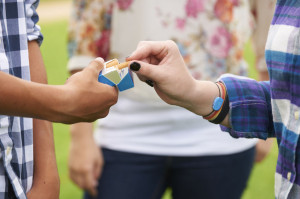
Group Of Teenagers SmokingThey’re called bad habits for a reason: they haunt us, they steer us off track and they prevent us from living our healthiest lives. But, because they’re habits, they’ve become sort of a ritual, part of what we do and who we are. It can be extremely difficult to stop a bad habit like smoking, but not impossible.
The first step is to identify why you have these habits. Be extra mindful; keep a journal and write down anytime you feel the need to indulge in your bad habit. Where are you, what do feel, what are the circumstances? See if you can define the reason for your habit.

Keeping this record can help you identify possible triggers that could be making it more difficult to break your habit. You may find you even need to avoid certain situations, especially in the beginning.

To rid yourself of a bad habit you’ll need to be committed to a formulated plan of action. Write down your goal and believe you can achieve it. This may mean starting small. Making small strides towards an ultimate goal might not feel as satisfying, but it’s a great way to start the path to success. Maybe your bad habit is too much screen time and not enough exercising. Instead of going all out immediately, take steps for gradual change. Make your first goal to exercise at least 10 minutes a day. If screen time is an issue, exercise first, so you don’t get pulled into a binge session and skip the workout.

Reward yourself for good behavior. This can even be a part of the plan; you could do a reward system for every mini goal you achieve along the way.

Understanding what your bad habit is and why you do it is the first step. After that, you can formulate a plan of action and beat that bad habit.

Symptoms of cognitive impairment: Normal aging, neurocognitive disorder and dementia

30031239_SWhat is dementia? What is cognitive impairment? Can cognitive impairment be reversed? And how does one differentiate between the two and any normal memory loss associated with progressive aging? Are you interested in learning more about dementia, Alzheimer’s Disease and the symptoms of cognitive impairment? Continue reading for a general synopsis.

Before diving deeper into the varying types of cognitive impairment, let’s uncover some of the symptoms most commonly associated with the neurological disorder.

What are the typical symptoms of cognitive impairment?

The following are some of the most observed symptoms associated with mild to severe cognitive impairment:

  • Confusion
  • Partial loss of short-term or long-term memory
  • Impaired judgment/decision-making
  • Poor motor coordination
  • Identity confusion
  • Missing/forgetting appointments or important events
  • Difficulty keeping up with conversations

An individual suffering with a neurocognitive disorder may present one or more of these symptoms. These symptoms can be a normal sign of aging in geriatric populations. However, they may start as symptoms of mild cognitive impairment and progress later on. It is important to talk with your doctor about creating a plan for treatment and enacting lifestyle changes that may be able to slow or reverse some or all of these symptoms.

This then raises another poignant question regarding these early indicators: How fast does mild cognitive impairment progress?

Answer: Unfortunately, there is no solid medically based research to back any data. It is vital, however, to see a doctor to discuss a thorough diagnosis and treatment plan – before these issues advance to more severe cognitive impairment symptoms.

If you notice any new or sudden signs of cognitive impairment in children, it is absolutely critical to seek out medical help immediately. The age of a child would obviously denounce any normal aging neurological related atrophy.

Are there any other behavioral or mood changes to look out for?

There are additional and equally notable behavioral and mood changes that can supplement the current symptoms of cognitive impairment. Keep an eye out for any of the following:

  • Quickly changing mood
  • Emotional outbursts
  • Anxiety and depression
  • Impulsivity
  • Apathy
  • Social isolation

It is important to remember to watch for these mood and behavioral signs – and make sure to talk with your doctor about them should they present. These issues could be a symptom of mild cognitive impairment, or, they could be related to something else. Take note that individuals with mild behavioral impairment (MBI) do have an increased risk for developing dementia.

Memory and aging: Normal aging memory loss vs. dementia

Memory and Aging: Normal Aging Memory Loss vs Dementia

Another issue to address in the geriatric populations is normal memory loss vs dementia. What should stand out as a red flag and what should be cited and a pre-diagnosis market. It is vital to understand that when you are discussing mild cognitive impairment vs dementia, that there are specific diagnostic criteria that doctors utilize. Only a licensed doctor or nurse practitioner will be able to officially diagnose any potential condition.

If you are experiencing normal age-related memory loss, your doctor will likely ask about your lifestyle. There are many things that can be done to support cognitive health as you age. Diet and exercise are vital here. Eating well-balanced meals with the right vitamins and key nutrients can help support healthy aging. If you smoke tobacco, then it might be a great time to think about quitting.

Brain “exercises” are another underutilized technique that many assist in cognitive repairment and/or put a halt to current or impending symptoms. There are many ways to train your brain as you age. Here are just a few fun ways to help keep your cognitive receptors active and firing:

  • Word games
  • Puzzles
  • Trivia and quiz games
  • Memory games
  • Math and number games
  • Card games
  • Blogging
  • Reading

Current medicine and the treatment of cognitive impairment

Research into different types of cognitive impairment, dementia, Alzheimer’s disease, as well as memory in general is ever evolving and technologically advancing while uncovering new information on an almost daily basis. Treatment of cognitive impairment is improving, and clinical trials are repeatedly discovering new breakthroughs.

If you would like to learn more about memory loss, cognitive impairment, dementia, or Alzheimer’s disease, or if you have any questions concerning the cognitive wellness of a loved one, please click here to talk with a professional today.

Do you think you or a loved one may be suffering from cognitive impairment?

If you have noticed what you think could be symptoms of cognitive impairment in yourself or a loved one, please talk with a doctor as soon as possible. Reference the link above.

While you can find plenty of cognitive impairment tests online, it is critical to seek the help of a licensed medical professional.

Cognitive impairment symptoms can start slowly and then progress quickly. Please don’t wait to talk with a doctor after the signs worsen. Make the call today.

Sources

https://www.ncbi.nlm.nih.gov/pmc/articles/PMC3788702/

https://www.psychguides.com/neurological-disorders/cognitive/

https://www.ncbi.nlm.nih.gov/pmc/articles/PMC4104432/

https://www.ncbi.nlm.nih.gov/pmc/articles/PMC1123445/

https://www.mayoclinic.org/diseases-conditions/mild-cognitive-impairment/symptoms-causes/syc-20354578

Ginger just might be the wonder root

Fresh ginger rootWhat’s in your herbal first aid kit? If the root vegetable ginger isn’t in there, here are a few reasons to consider keeping it around the house. If you’ve ever reached for a ginger ale when you felt sick to your stomach, it might be no surprise to you that ginger can have some satisfying health benefits. For starters, the root of the plant is actually what you ingest. It’s used to not only flavor beverages like ginger ale, but also to spice up dishes, and even to clean your palette after eating sushi. Additionally, it has some awesome properties that make it a great staple to keep around.

For thousands of years, ginger has helped relieve various types of pains. It’s been shown not only to help stomachaches and motion sickness, but also to alleviate other issues. You may find it helps with diarrhea, gas, and menstrual cramps. Ginger has some amazing anti-inflammatory properties, making it helpful for pain from rheumatoid arthritis and osteoarthritis. It eases general joint and muscle pain. It may even help with a migraine or headache.

There’s a substance in fresh ginger, called Gingerole, that may even help reduce your chance of infections. Raw ginger has even been shown to have possible anti-cancer properties.

Ginger is easy to add into to a diet plan. It can be found in various forms, including pickled, powder, supplements, and hot teas. Grated ginger can also be added to soups and stir fries.

Of course, as with anything, exercise caution and do not use ginger as a substitute for medicine prescribed to you by your doctor. Ginger can interfere with some medication, can raise insulin, and can act as a blood thinner. Check with your doctor regarding the safety of using it during pregnancy and if you have certain health issues. Keep in mind, a lower dose is usually recommended. In a day, the typical amount is 4 grams or less.

Once you’re approved to add this supplement to your diet, consider giving it a try. Add flavor and health benefits to your palette.